 Junk Collectors and Eco-Friendly Disposal Practices
  Things to Check Before Buying a Used Car
  Top Colors and Patterns for Men’s Blazers
  How to Sightsee a City on a Tight Budget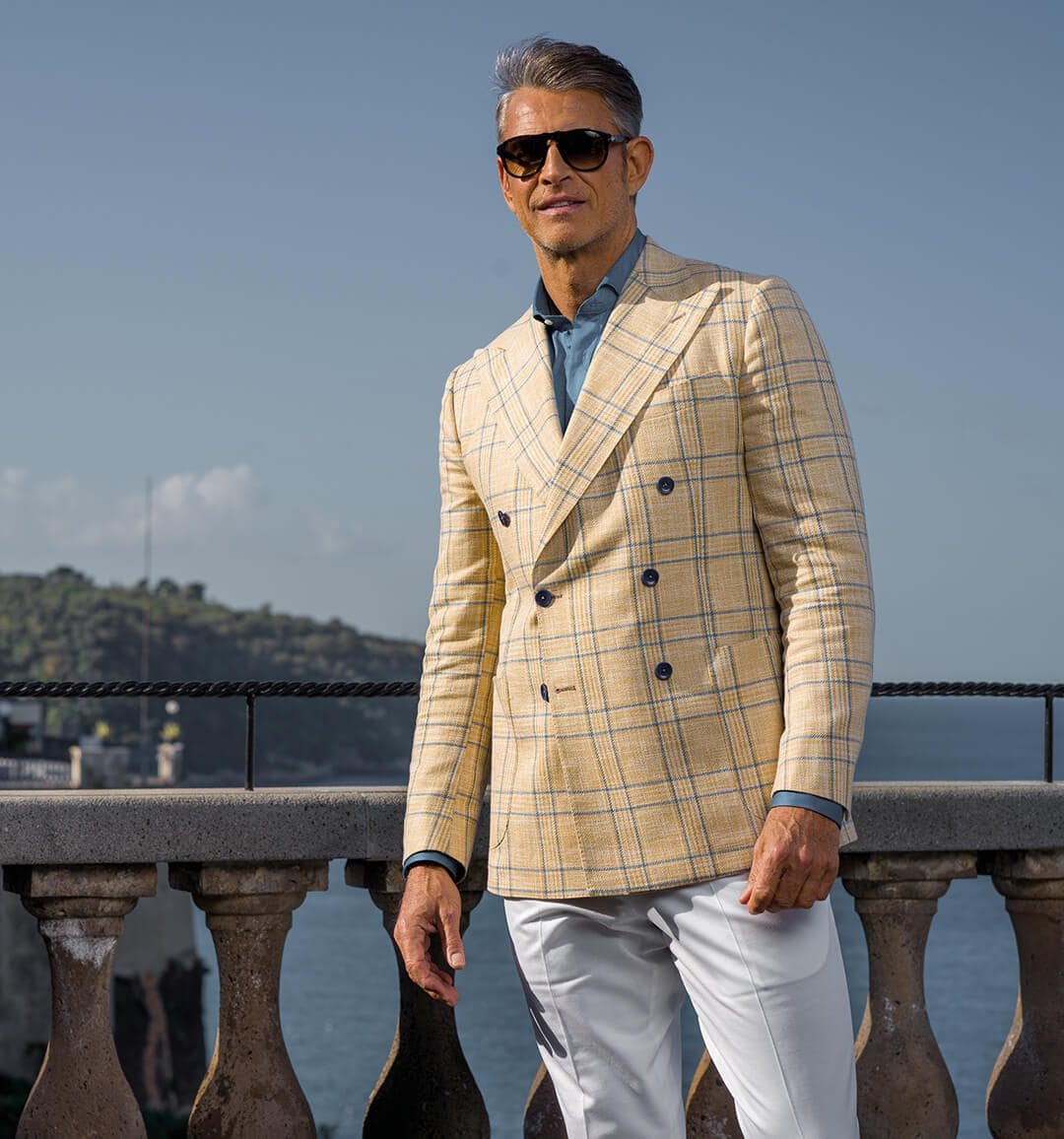
A blazer defines a man’s style, moving from office wear to weekend outfits with ease. Selecting the right color and pattern determines its usefulness and impact. Smart choices create a reliable foundation for a wardrobe.
Focusing on the core options mentioned below helps any man build a smart collection of blazers for men.
Essential Solid Colors
Start with navy blue. This color acts as a universal base, pairing with grey trousers, denim, or khakis. It fits business meetings and dinner plans equally well. A mid-grey blazer in wool holds similar power. It offers a formal touch without the starkness of black and works with shirts of any color.
For warmer seasons, tan and olive tones provide excellent choices. Colors introduce a relaxed feel, complementing light chinos and crisp linens for a sharp summer look. Do not overlook black, but reserve it for evening events or specific dress codes, as it can appear severe during daylight hours.
Effective Patterns
Patterns add character to a solid foundation. Begin with subtle textures like herringbone or a fine birdseye weave. Such designs give depth to a blazer while keeping a professional appearance. For stronger visual interest, consider a windowpane check. Choose versions with thin, widely-spaced lines in neutral shades for a modern effect.
The Glen plaid, also called Prince of Wales check, presents a classic pattern. Its layered checks convey sophistication, making it suitable for social events and creative workplaces. For casual blazers, a rugged tweed in a muted herringbone or a small-scale houndstooth works well. Fabrics carry inherent texture and suit country or weekend settings.
Understanding Fabric and Color Interaction
The material of a blazer influences how we perceive its color and pattern. A navy blazer in a soft hopsack weave appears more casual than the same color in a smooth, tight-worsted wool. A tan blazer in linen feels seasonally appropriate for summer, while the same hue in corduroy anchors an autumn outfit.
Patterns also gain dimension from fabric; a herringbone pattern in tweed has a rough, pronounced character, while the same pattern in a fine wool flannel appears sleek and subdued. Always assess the fabric and color as a single unit.
Selecting for Your Needs
Let your daily activities guide your choices. A man who attends frequent formal events will use a solid navy or grey blazer most often. Someone in a less traditional setting might adopt a patterned blazer earlier. Always prioritize a perfect fit; the right shoulders and sleeve length matter most, regardless of color or fabric.