 Junk Collectors and Eco-Friendly Disposal Practices
  Things to Check Before Buying a Used Car
  Top Colors and Patterns for Men’s Blazers
  How to Sightsee a City on a Tight Budget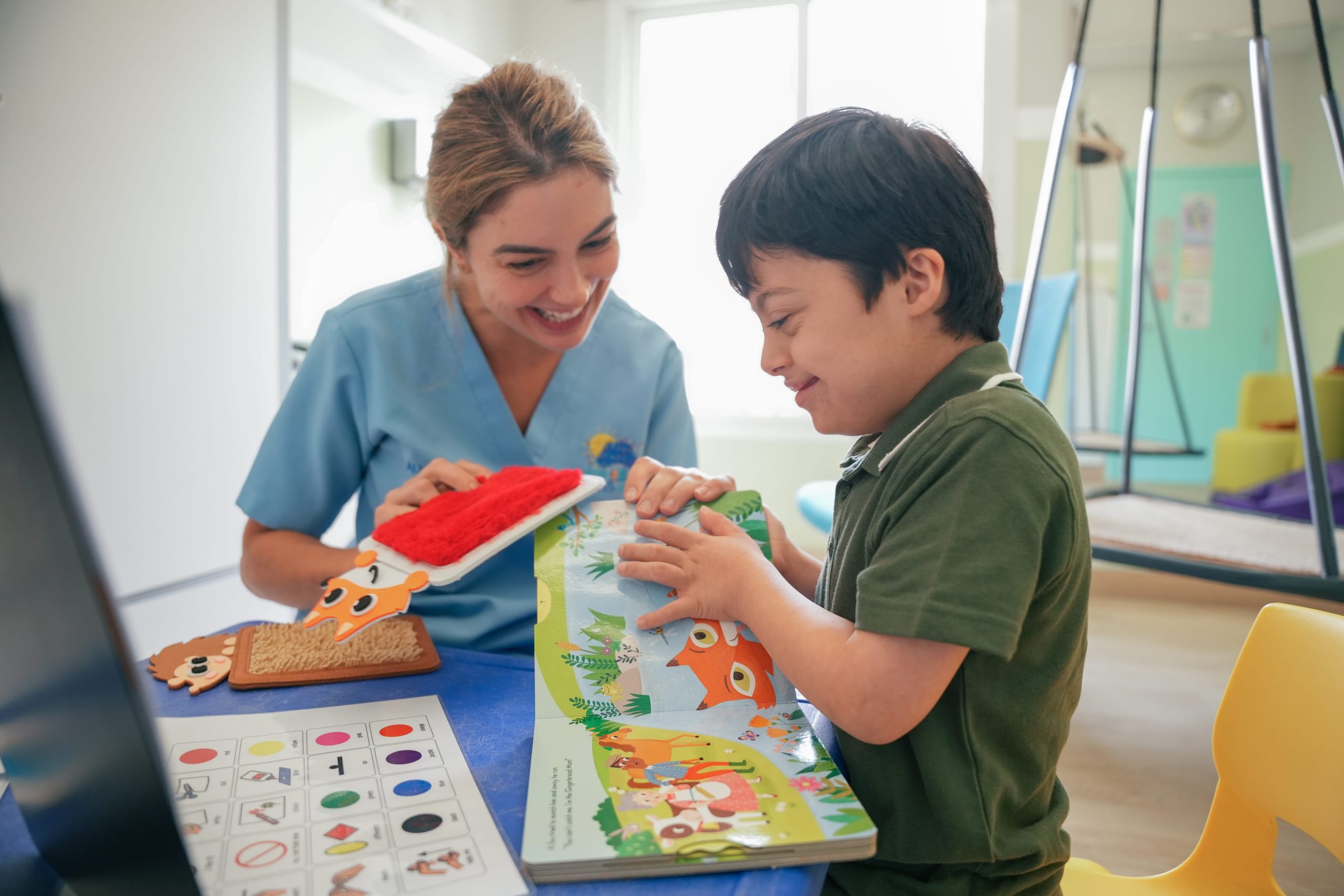
A child’s ability to communicate is a fundamental part of their world. It is the bridge connecting their thoughts to others, allowing them to share ideas, build friendships, and express feelings. For some children, building this bridge presents distinct challenges.
The best speech therapist in Dubai provides the specific tools and guidance to help them construct a strong foundation for communication, leading to positive outcomes in many areas of their lives.
Building clear speech:
One primary focus is improving speech clarity. A child might struggle to produce specific sounds, making their speech difficult for others to understand. A speech therapist creates a fun and supportive environment where a child can practice these sounds. Activities are engaging, often involving games with repetitive words featuring the target sound, like saying “soapy socks” for the ‘s’ sound or using mirrors to help the child see and feel the correct mouth movements.
Expanding vocabulary and concepts:
Therapists work on building a child’s vocabulary, moving beyond simple nouns to include action words, descriptive words, and prepositions. They use interactive activities like sorting games—grouping objects by category (food, animals)—or reading books and asking the child to point to items or describe what is happening in the pictures, which introduces new words and concepts in a natural context.
Constructing stronger sentences:
Some children have difficulty putting words together in a grammatically correct order. They might use short, fragmented sentences. Speech therapy helps children learn the rules of sentence structure. A therapist might use sentence strips where the child places words in the correct sequence, or they might model longer sentences for the child to imitate, gradually increasing complexity from “dog run” to “The big dog is running fast.”
Improving social communication:
Communication is a social act. Speech therapists help children develop the pragmatic skills necessary for successful interactions. This includes taking turns in conversation, maintaining eye contact, and knowing nonverbal cues. Role-playing is a common activity, where the therapist and child practice starting a conversation, asking to join a game, or interpreting how someone might be feeling based on their facial expression.
Developing reading and writing skills:
There is a direct link between spoken language and literacy. The auditory discrimination skills honed in speech therapy, such as identifying rhyming words or breaking words into syllables, are foundational for reading and spelling. Therapists often use phonemic awareness activities, like clapping out the number of sounds in a word, which directly supports a child’s ability to decode words on a page.