 When Should You Visit a Family Medicine Clinic?
  How To Balance Bold Girl Wallpaper With Neutral Furniture
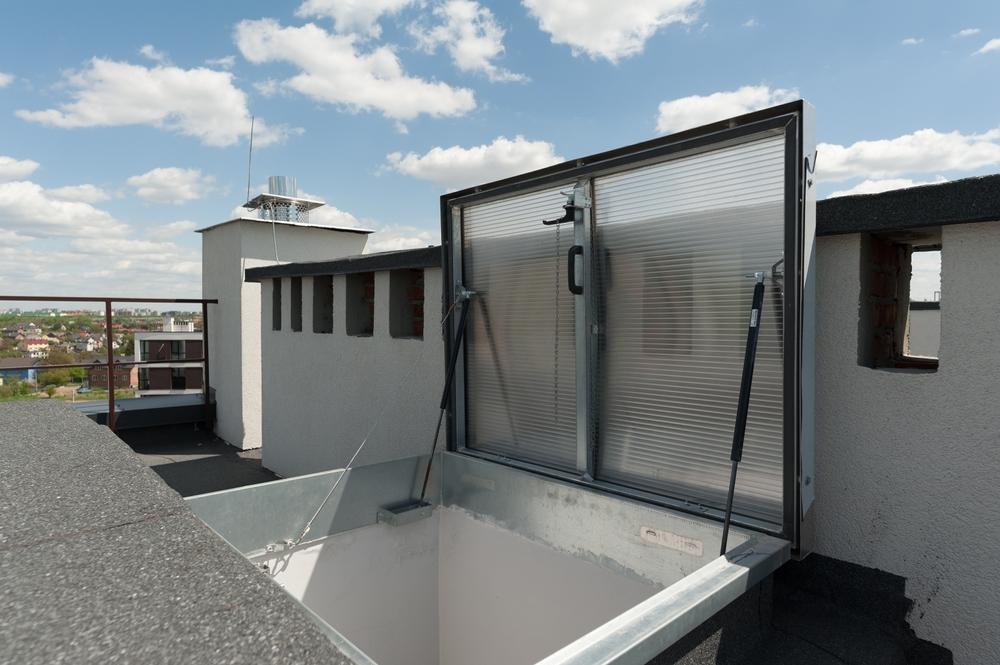
  Safety Requirements Of Fire-Rated Access Hatches
  Single-Stage Vs. Two-Stage Air Compressors – Which One Do You Actually Need?
Hungry bellies lead to hasty choices. Standing on a busy street with neon lights flashing can scramble anyone’s brain. You want local flavors but end up with frozen fries and a high bill. Avoiding these spots involves a sharp eye and some gut instinct.
Spotting the signs early saves your dinner and your wallet. Look closely at your surroundings before you sit down at any Marina Dubai restaurant.
Pictures on the menu:
Good food speaks for itself without glossy photos. If every single dish is shown in a faded picture on a board outside, run away. Great chefs focus on taste rather than plastic displays. These visual aids aim to catch the eyes of people who do not speak the local tongue. Fresh ingredients rarely look like those staged photos anyway.
Staff calling you inside:
Waiters standing on the sidewalk are a red flag. Real culinary gems are usually full of happy diners who found the place themselves. If someone is trying to pull you in with a physical menu or a sales pitch, the food likely lacks quality. High pressure tactics are used when the kitchen cannot rely on repeat customers or good word of mouth.
Huge menus with many styles:
Kitchens that try to cook everything usually do nothing well. If you see pizza, sushi, and local stews on the same page, keep moving. A small menu shows that the cook cares about specific dishes. Too many options mean the freezer is full of pre-made bags. Focus on places that stick to one specific style or tradition.
Prime location prices:
Locations right next to big landmarks charge for the view instead of the flavor. These spots pay high rent and pass that cost to your bill. Walk three blocks away from the main square or the famous statue. You will find better meals at half the price. Authenticity lives in the side streets where locals actually spend their money.
Flags and multiple languages:
Menus printed in five different languages with little flags are for visitors. While helpful, it shows the place targets people who are passing through once. Locals do not need a translated book to order lunch. Look for a simple chalkboard written in the local language. It proves the restaurant caters to the community rather than a crowd of strangers.