 When Should You Visit a Family Medicine Clinic?
  How To Balance Bold Girl Wallpaper With Neutral Furniture
  Safety Requirements Of Fire-Rated Access Hatches
  Single-Stage Vs. Two-Stage Air Compressors – Which One Do You Actually Need?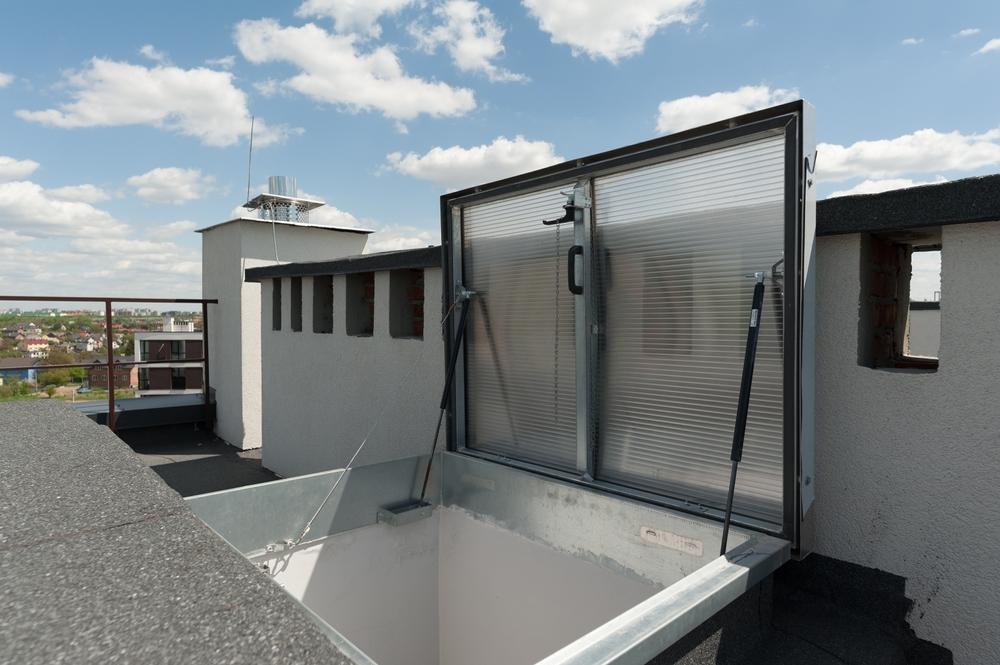
Most people look at solid walls and think a building is safe. However, fire finds the smallest gaps to move between rooms. Sealing these gaps is the only way to stop heat from traveling through maintenance points. Choosing a high-quality access hatch ensures these openings do not become the weak link in your fire safety project.
Testing and certification:
Every safety door must undergo rigorous testing to prove it can withstand high temperatures. Experts look for labels that show the product passed specific fire resistance tests. These certifications ensure the material will not melt or warp when a fire breaks out nearby. Without these official stamps, a panel is simply a piece of metal that might fail when needed most.
Fire resistance ratings:
Ratings usually tell you how long a barrier stays functional during a fire. Common periods include sixty or ninety minutes of protection. This timeframe gives people enough time to exit the building safely. It also helps firefighters control the situation before the fire moves to another floor.
Self-closing mechanisms:
Safety rules frequently require these panels to close on their own. A door left open by mistake is a huge risk during an emergency. Springs or gravity pivots ensure the panel snaps shut immediately after use. This feature keeps the fire barrier complete at all times without human effort. It is a simple mechanical solution for a major safety concern.
Heat expansion seals:
Special strips around the edges of the frame play a vital role. These seals expand rapidly when they get hot to fill any tiny gaps. This process blocks smoke and toxic gases from leaking into clean areas. Keeping the air clear is just as important as stopping the actual flames. These invisible helpers turn a standard door into a tight seal.
Material standards:
Strong steel or heavy duty aluminum provides the necessary strength for these units. The thickness of the metal helps it resist bending under pressure. Non-combustible insulation inside the panel adds another layer of defense against heat transfer. Using the correct materials ensures the unit stays in its frame even when the surrounding area is burning.
Installation rules:
Correct placement is essential for the safety system to work. A poorly fitted frame creates weak spots where heat can escape. Professional installers follow strict guidelines to ensure there are no gaps between the hatch and the wall. Regular checks help confirm the hardware still moves freely and the locks function properly.